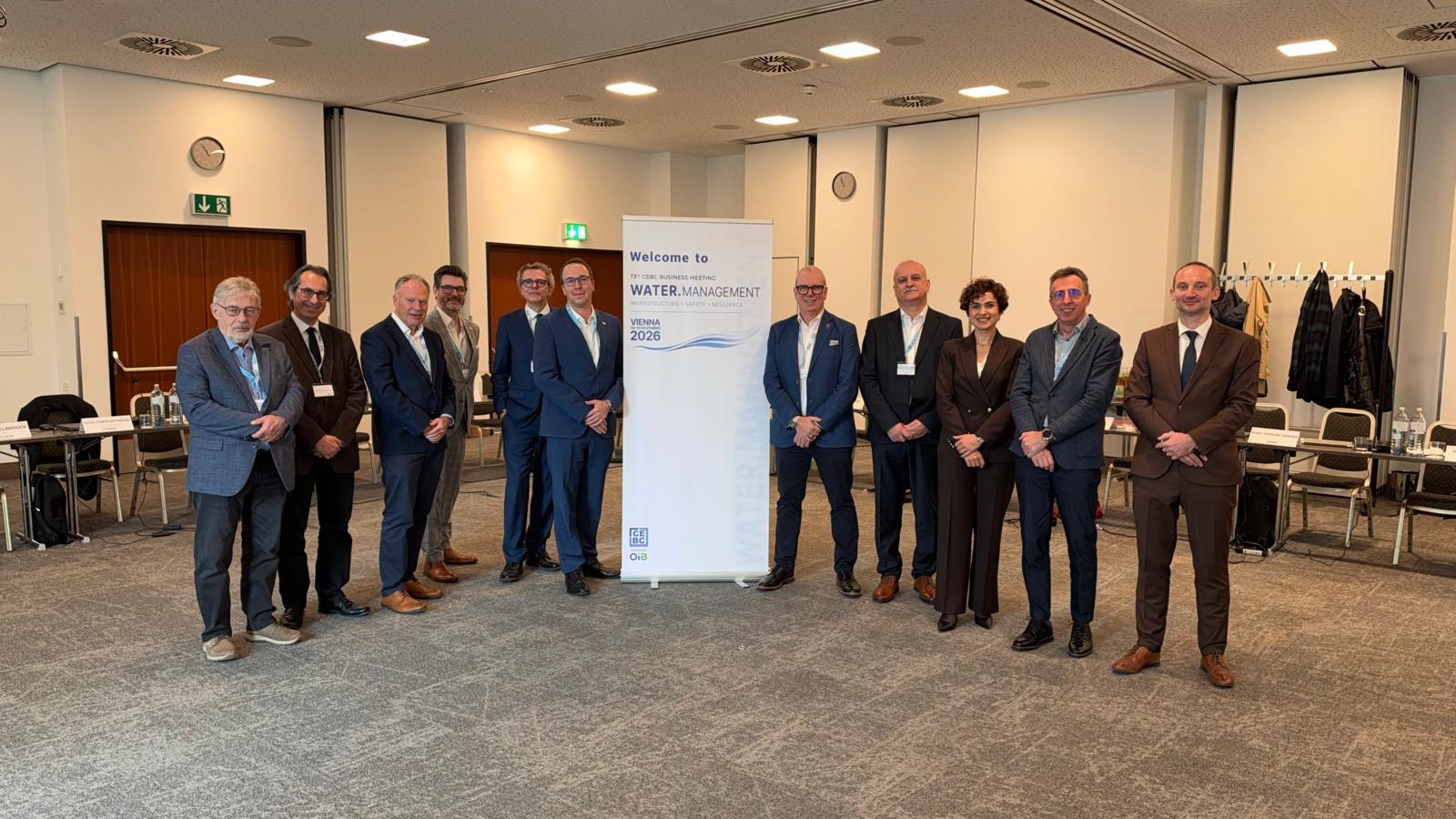
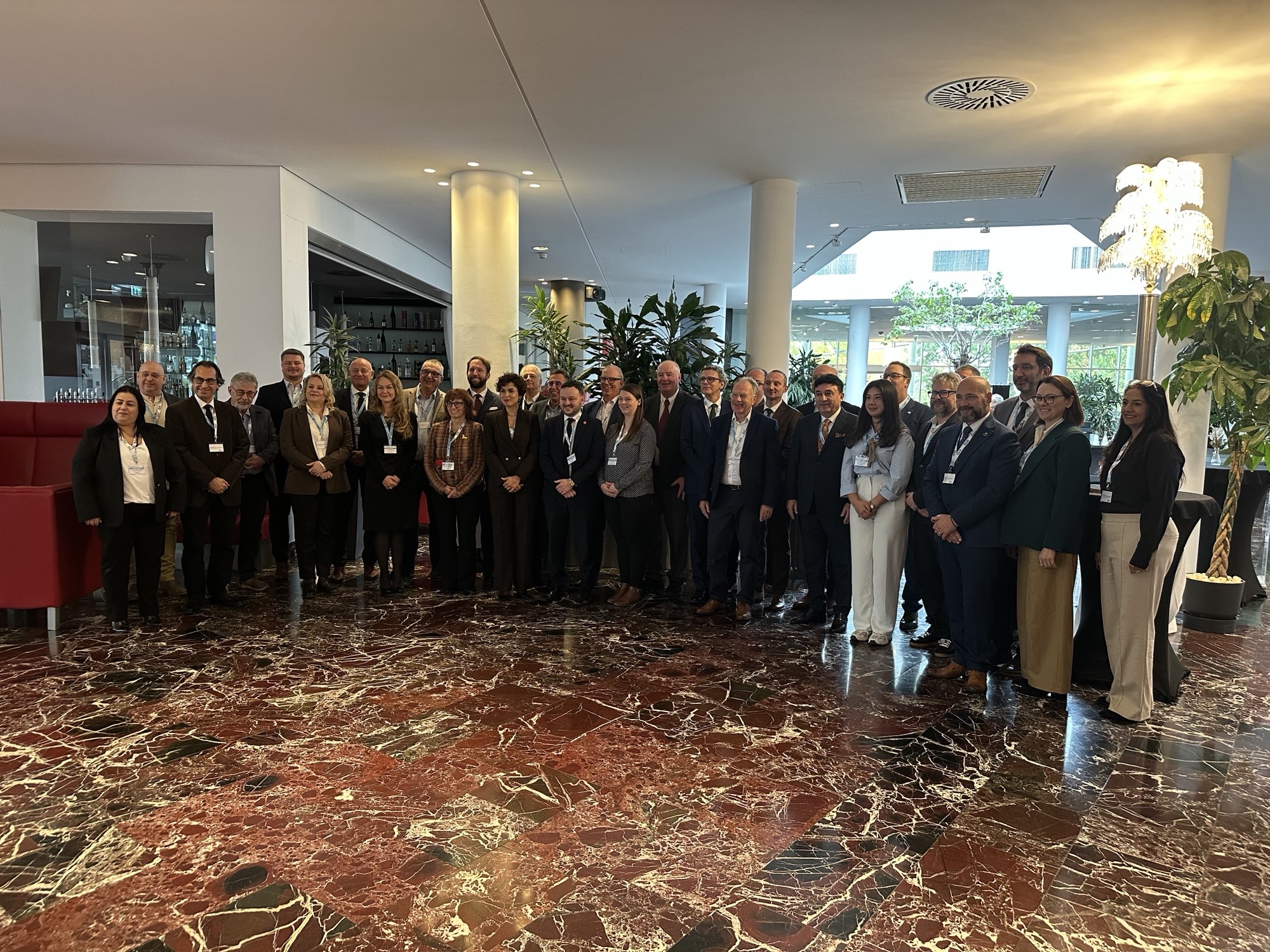
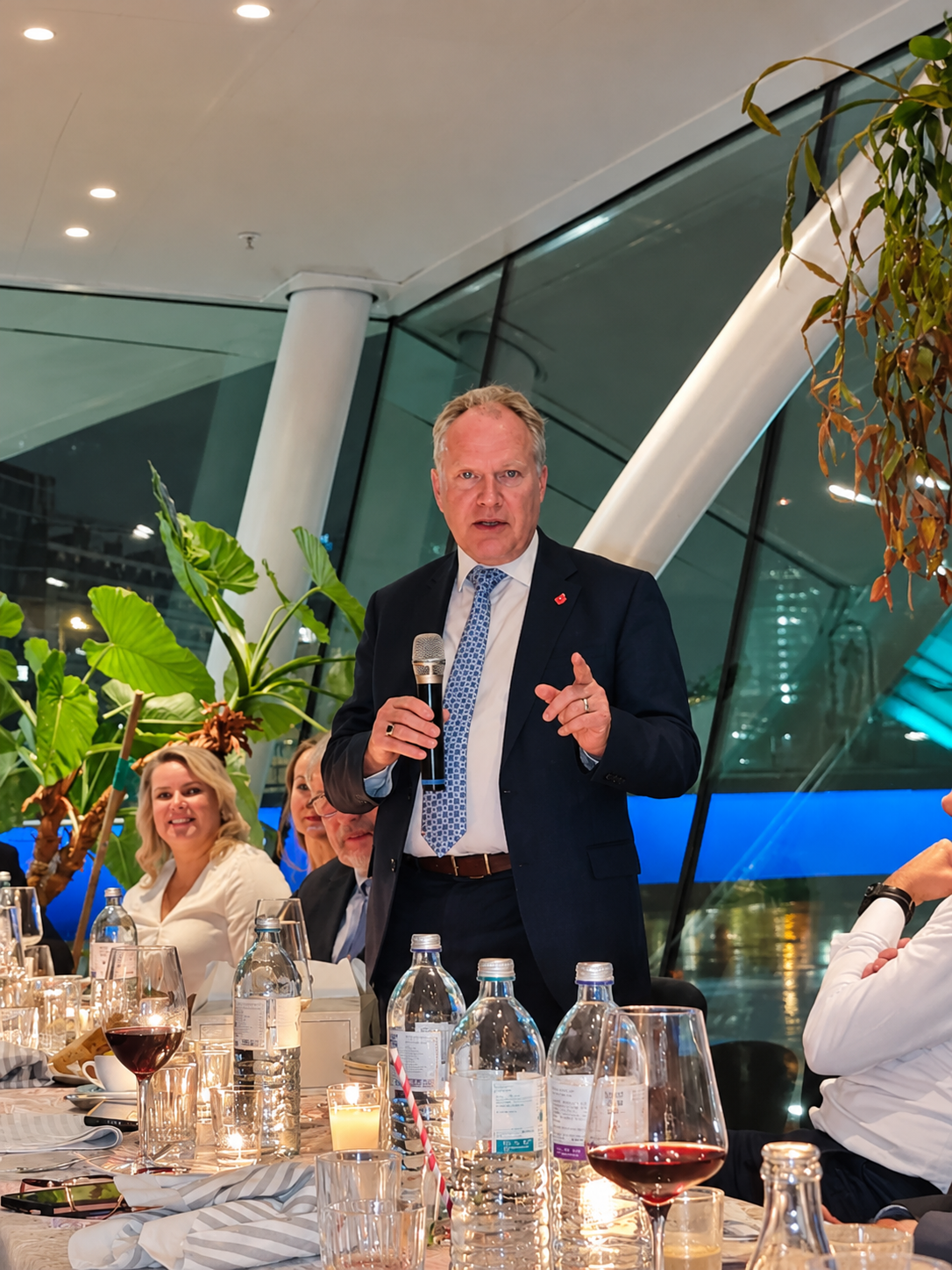
The 73rd CEBC Business Meeting took place in Vienna, Austria, from 8 to 10 November 2026, bringing together building control professionals, policymakers and experts from across Europe. Hosted by the Austrian Institute of Construction Engineering (OIB), the meeting focused on the theme “Water Management – Infrastructure, Safety, Resilience”, exploring the challenges of sustainable water management, urban resilience, flood prevention and the role of effective regulations in protecting the built environment.
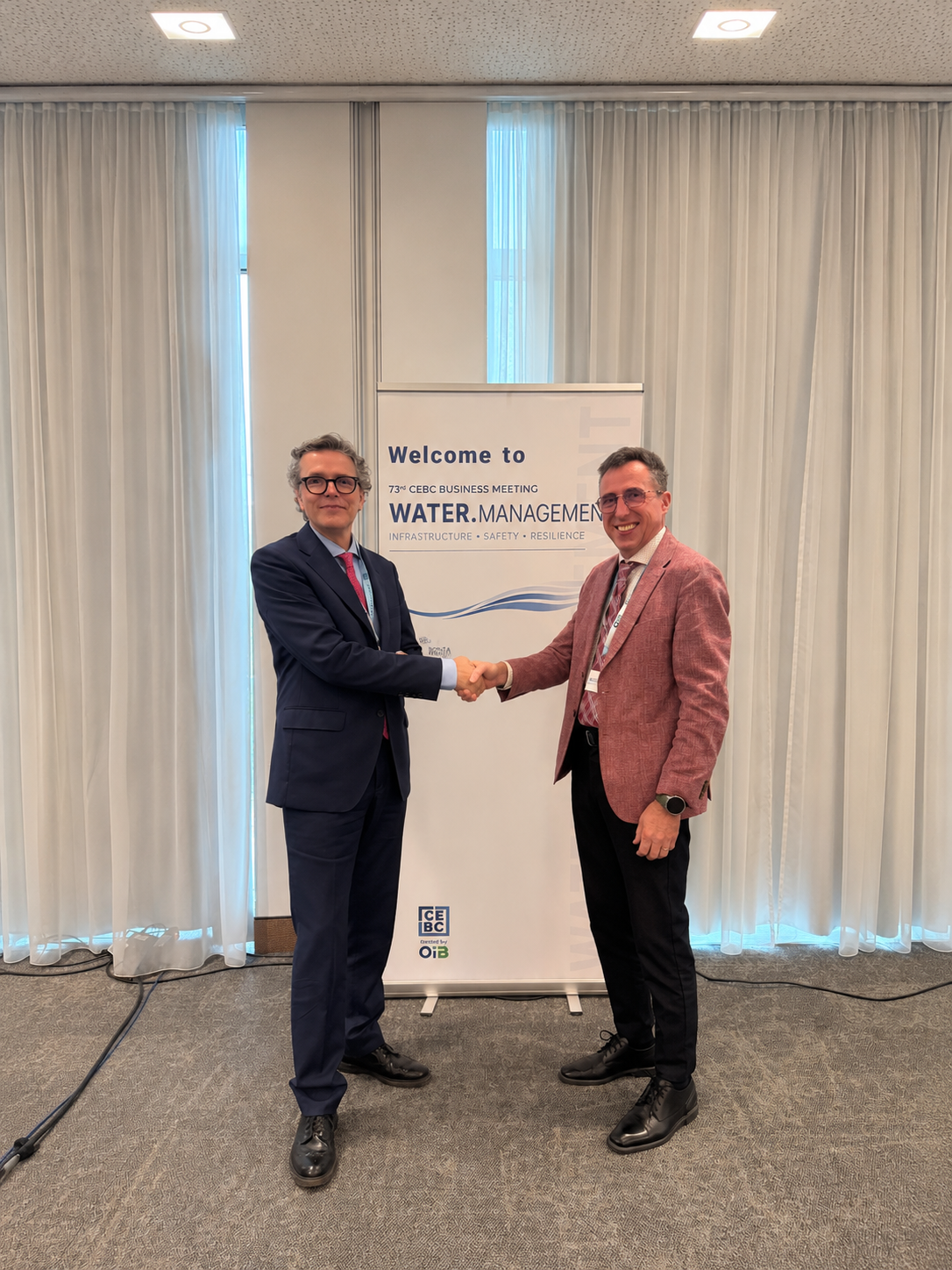
The conference officially opened on 9 November with welcoming remarks from Mr. Sergio Vazquez, President of CEBC, and Mr. Thomas Rockenschaub, Managing Director of OIB. Both welcomed the participants and highlighted the importance of international cooperation and knowledge exchange in addressing the growing challenges related to water management and climate resilience.
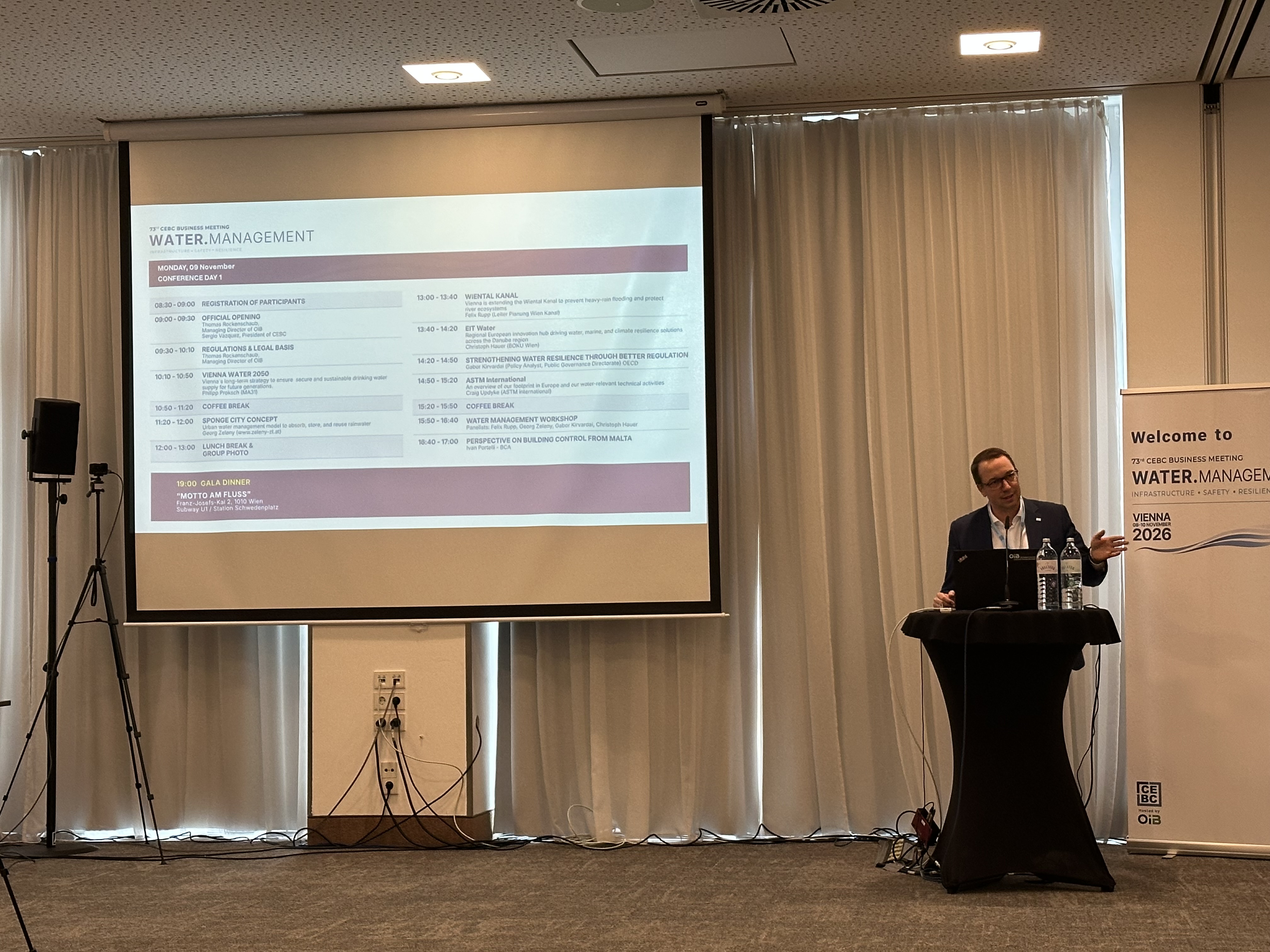
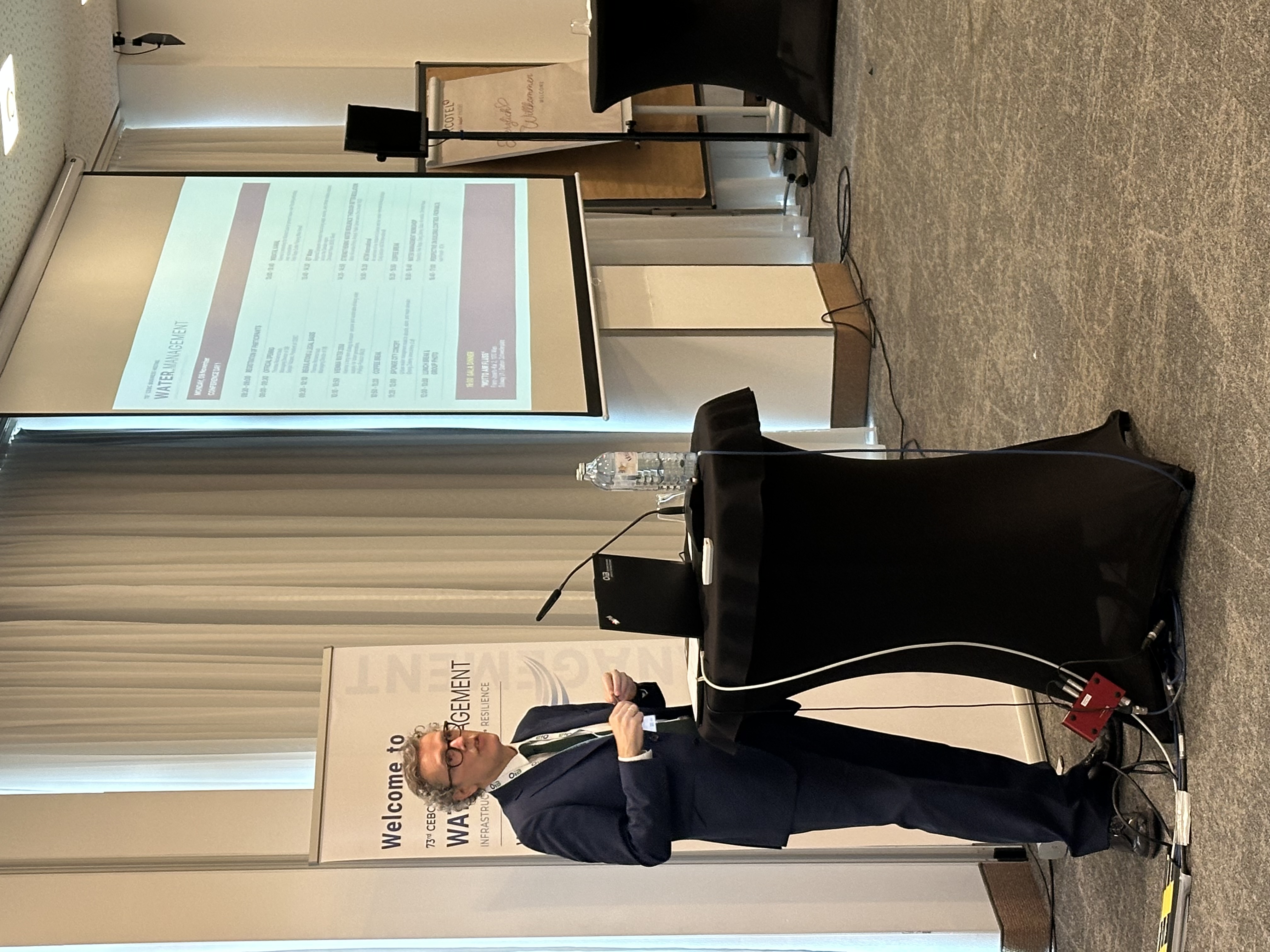
The first conference day focused on Vienna’s approach to water management, combining regulatory perspectives with practical examples and innovative solutions. Presentations covered the legal framework for construction in Vienna, the city’s long-term “Vienna Water 2050” strategy for ensuring a secure and sustainable drinking water supply, and the Sponge City concept, which promotes the absorption, storage and reuse of rainwater to reduce the risk of flooding.
Particular attention was given to the Wiental Kanal project, which aims to increase the capacity of Vienna’s sewer system, prevent flooding during heavy rainfall and protect river ecosystems. Further presentations explored innovation in water and climate resilience through EIT Water. Participants also gained valuable insights from the broader international perspective, with contributions from the OECD on strengthening water resilience through effective regulation and from ASTM International on the development of technical standards supporting water management and resilience.
The day concluded with a dedicated Water Management Workshop, bringing together experts from different fields to exchange views on the challenges and opportunities associated with sustainable water management. The session provided an opportunity for participants to discuss practical solutions and consider how building control systems can contribute to safer and more resilient infrastructure. The programme also included a presentation on the perspective of building control in Malta.
The second conference day began with a presentation of Austria’s HORA platform, an online tool providing interactive natural hazard risk maps and early-warning information. The presentation highlighted the importance of accessible risk assessment tools in supporting informed decisions and improving resilience to natural hazards.
An important part of the meeting was CEBC elections, which resulted in changes to the organisation’s leadership and Policy Committee. Mr. Sasa Galonja, representing the Ministry of Environment and Spatial Planning of Slovenia, was elected as the new CEBC President, while Ms. Dilay Gursoy, representing the General Office of Building Inspections and Earthquake Engineering of Turkey, was elected Treasurer.
Three new members were also elected to the Policy Committee: Mr. Sergio Vazquez (CGATE, Spain), Mr. Albertas Stanislovaitis (State Territorial Planning and Construction Inspectorate, Lithuania) and Mr. Markku Hienonen (The Finnish Society of Building Inspectors, Finland).
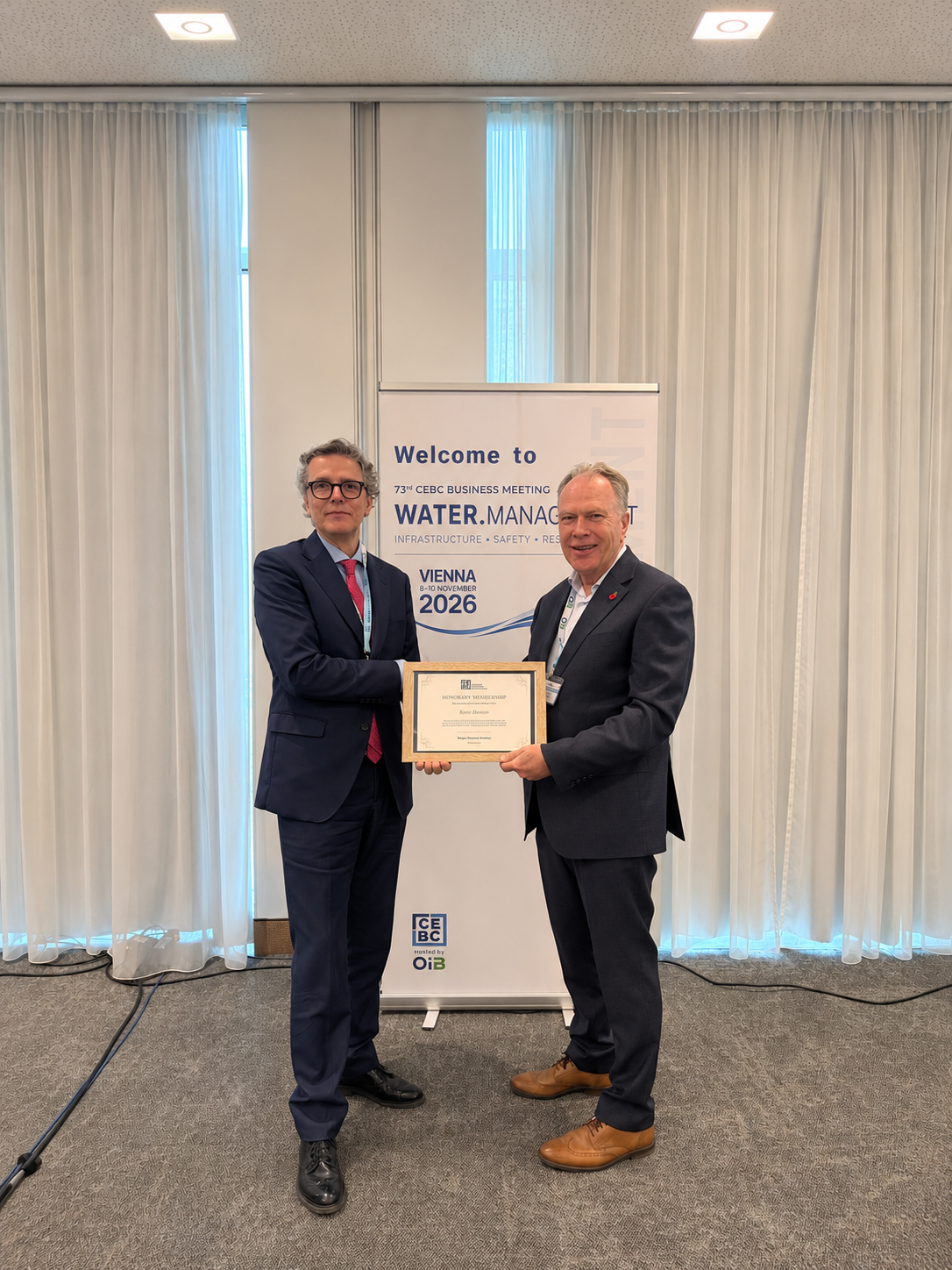
The meeting also included a special moment of recognition for Mr. Kevin Dawson, a long-standing member of the Policy Committee and former Secretary General who recently retired. In appreciation of his commitment, contribution and many years of service to CEBC, Kevin was awarded Honorary Membership of the organisation.
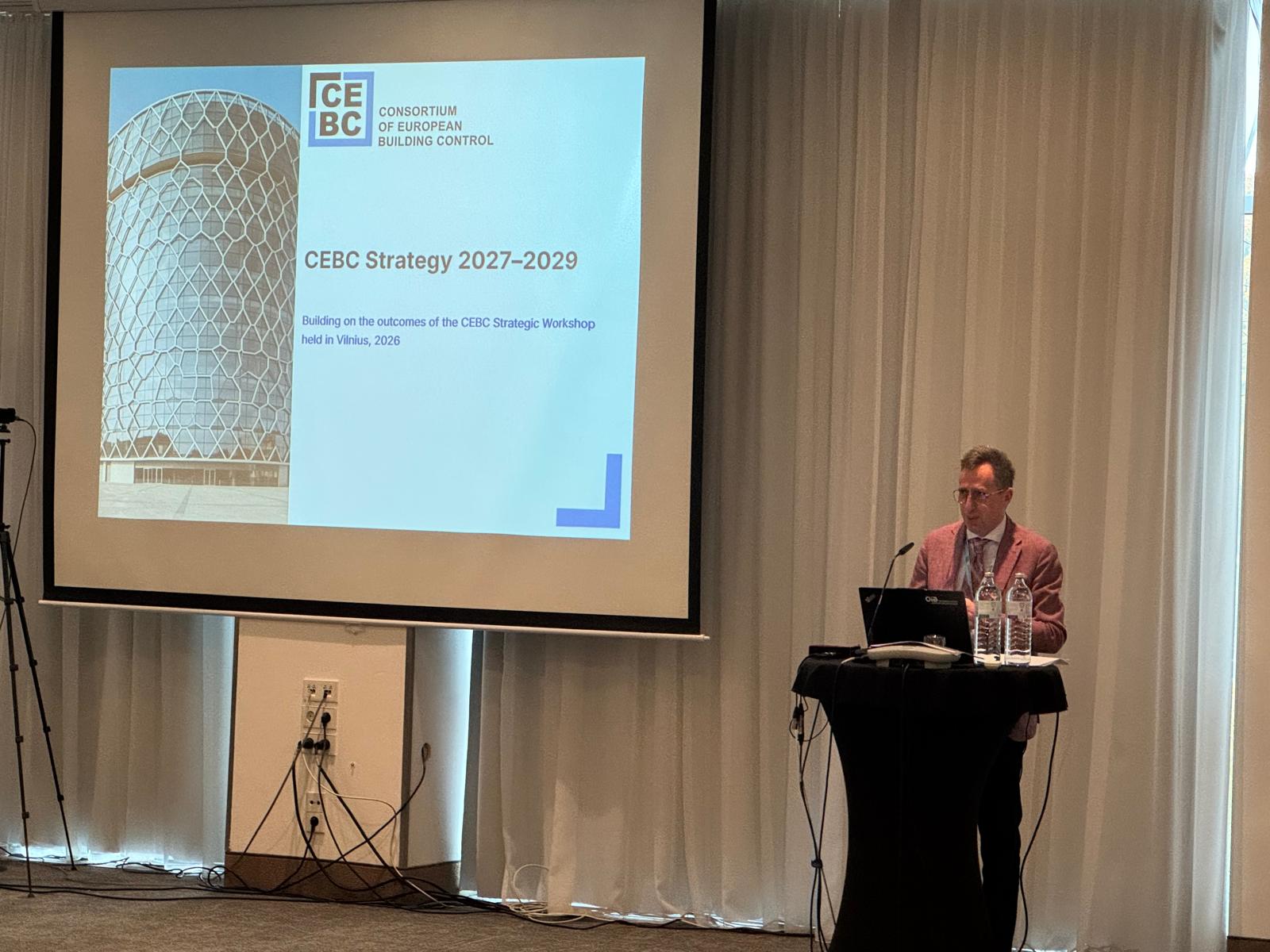
The Members’ Update Session once again provided a valuable platform for representatives of member organisations to exchange information on recent developments, regulatory changes, current challenges and good practices in their respective countries. This was followed by updates on CEBC projects, the organisation’s strategy and financial matters, as well as discussions on future activities and upcoming meetings.
CEBC extends its sincere thanks to the Austrian Institute of Construction Engineering (OIB) for hosting the meeting and for the excellent organisation of the event. Special appreciation goes to Thomas Rockenschaub and the entire OIB team, as well as to all speakers, contributors and participants whose expertise and engagement made the meeting a valuable opportunity for professional exchange and cooperation.